DIY HVAC Tips: Simple Maintenance and When to Call a Pro
Lisa Lynch • December 1, 2025
Maintaining your HVAC system year-round is important for many reasons. For one, regular maintenance keeps your system and its appliances in good condition, helping them last longer. It also saves you money by catching and preventing small issues that may hinder your system’s efficiency. Finally, manufacturers require basic maintenance in order to keep your warranty active.
In this DIY HVAC guide, we’ll share five easy HVAC maintenance tasks you can do yourself. We will also point out situations where you would be better off calling a professional HVAC technician to handle things for you.
5 DIY HVAC Maintenance Tips
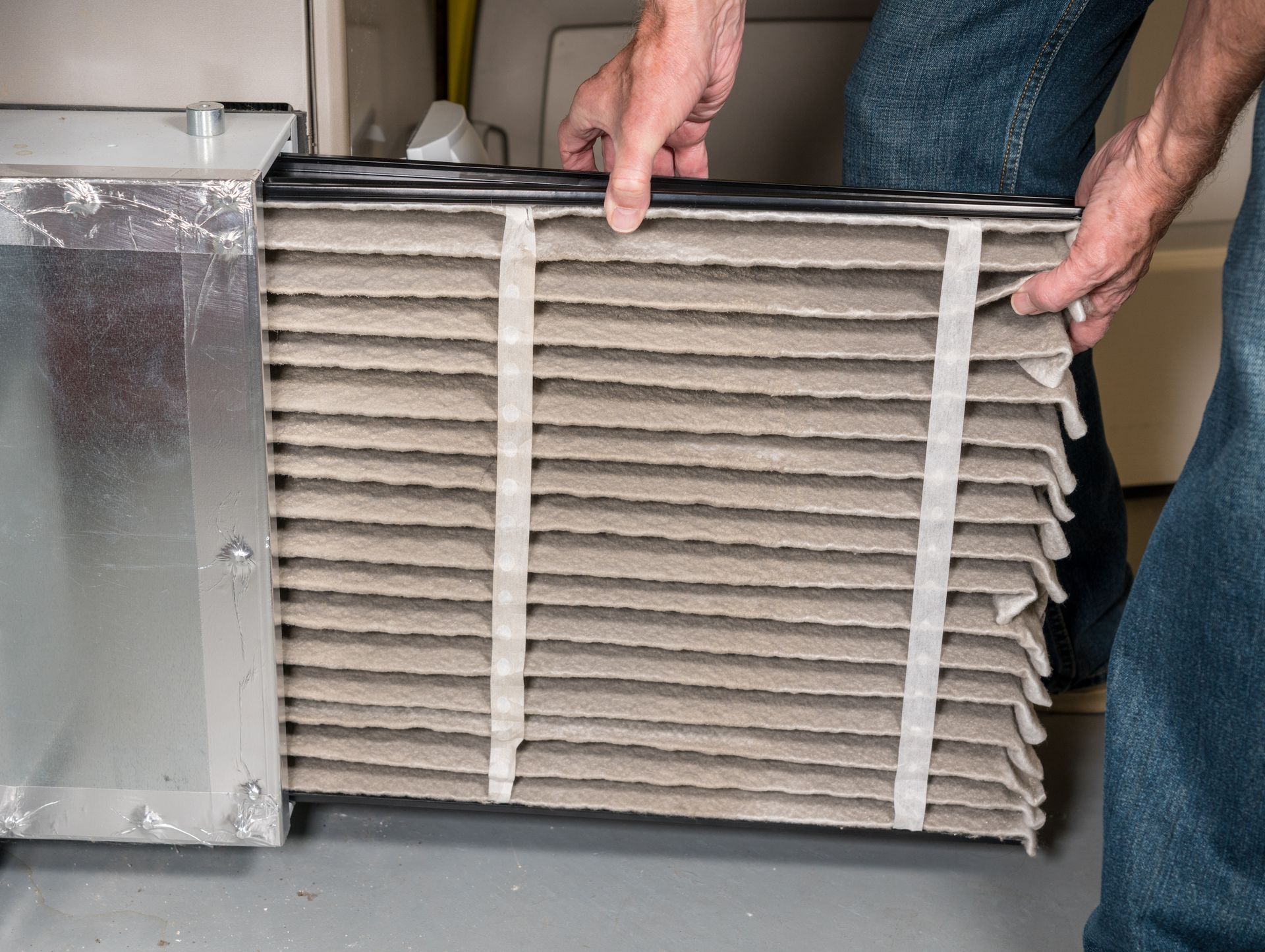
1. Change Your Air Filter Regularly. Air filters catch particles like dust and pollen from your HVAC system, keeping your air free of contaminants. Air filters should be changed monthly, even during the cooling season to ensure they don’t clog. You may have more than one air filter in your home. There is typically one in your furnace cabinet or air handler, and there may be one behind the largest return air vent as well. Make sure to turn your system off before replacing your filters.
2. Keep the Outdoor Unit Clean. The A/C condenser unit, typically located behind or to the side of your home, plays an important role in releasing heat from inside during the warm months. If it becomes clogged, it can’t properly do its job. Make sure to keep it clear of leaves, foliage, and other debris. If it’s clogged with cotton from trees, you can use a garden hose spray attachment to clean it out.
3. Check and Clear the Condensate Drain Line. Your A/C drain line carries away moisture captured by your A/C. If it clogs, you may notice water backing up into the drain pan or overflowing onto the ground. It may also prevent your A/C from turning on or it may cause a musty odor. To clear your drain line, turn off your A/C and locate the access point, which is likely a T-shaped fitting with a cap on top. Remove the cap and look for debris—you may be able to remove the blockage with a gloved hand. Otherwise, you can pour down a solution to clear the blockage. Use ½-1 cup of distilled white vinegar or liquid bleach, but do not mix them, as that can create a poisonous gas.
4. Clean Vents and Registers. Dirty or clogged vents prevent efficient airflow in your home, leading to uneven temperatures and wasted energy as your system works harder than normal. Fortunately, it’s easy to keep your vents clean. Simply remove the register covers and vacuum out any dust or debris as far as you can reach. Doing this regularly will dramatically improve the airflow in your home. Also, never block or close more than 20% of your home’s vents, as this can cause harmful pressure imbalances in the system.
5. Check Thermostat Settings and Batteries. If your heat or A/C suddenly stops working, the simplest fix may be right on the wall. Check your thermostat to make sure it’s set to the desired settings and that the batteries are fresh. If you have a smart thermostat, you can program seven-day schedules, change individual room settings, and receive alerts when it’s time to service or replace filters, batteries, and more.
When to Call an HVAC Professional
While homeowners can take care of some basic HVAC maintenance themselves, there are situations where attempting a DIY fix is dangerous, wasteful, or even illegal. For these issues, always call a licensed professional like WestAIR.
1. Any Work Involving Refrigerants. Refrigerant is a regulated chemical, and it requires an EPA certification to handle. Plus, if your refrigerant is leaking, then simply adding more won’t solve the problem—it will just waste fluid.
2. Touching Electrical Components. HVAC systems operate on high voltages and can be deadly even when the power switch is off. A trained professional will be able to handle electrical components safely.
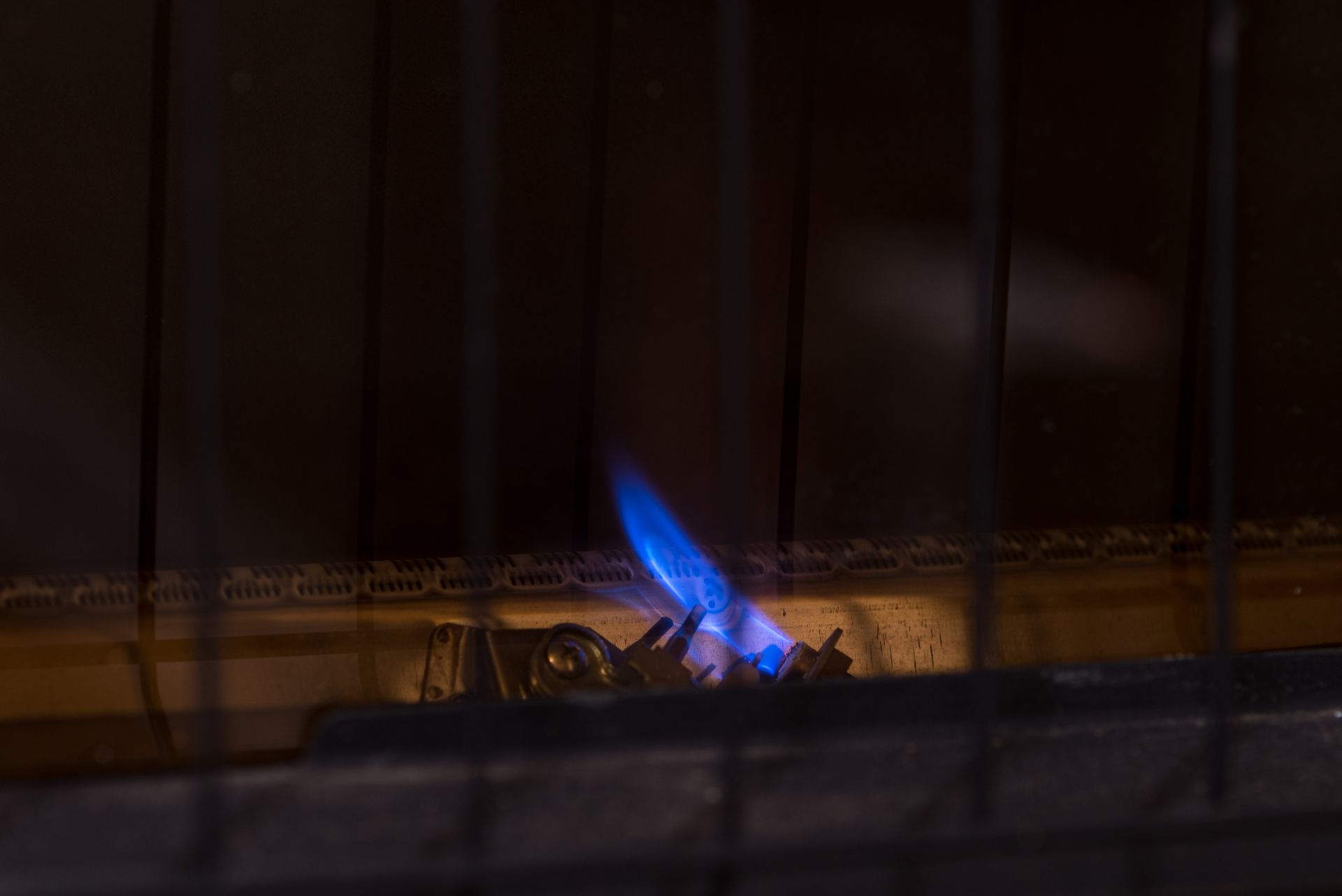
3. Gas or Carbon Monoxide Concerns. If your furnace uses natural gas or propane, any issues related to the burner, pilot light, or heat exchanger are immediate reasons to call a professional HVAC technician. A crack in the heat exchanger can release deadly carbon monoxide into your home, and a gas leak risks fire and explosion.
4. Complex or Stubborn Issues. For issues that you haven’t been able to diagnose or fix yourself, it’s best to call a professional. HVAC technicians are trained to locate and resolve all sorts of issues with ease!
5. For Annual Maintenance. In addition to the tasks you can do yourself, regular professional maintenance prevents issues and ensures optimal performance of your HVAC system.
Call WestAIR for Your HVAC Needs
Embracing DIY HVAC maintenance like changing your air filters and cleaning your vents is smart homeownership and protects your system. But for more complex issues, calling a professional is the safest route. The next time you run into an HVAC issue that goes beyond simple fixes, call WestAIR! You can also schedule an annual maintenance checkup with us to keep your HVAC system in good working order.
Contact us today!
Search Blog Posts
Categories